






Customizing is what this post is all about. The well-known painting a road bike against the lesser known but rising bike wrapping. On social media it's clear that it gives the coolest results. But what are the differences? What are the upsides of wrapping? And the possible downsides?
We explain the 8 big differences in this post.
1: What's possible?
First, maybe what it's all about: what you can do with a wrap compared to paint.
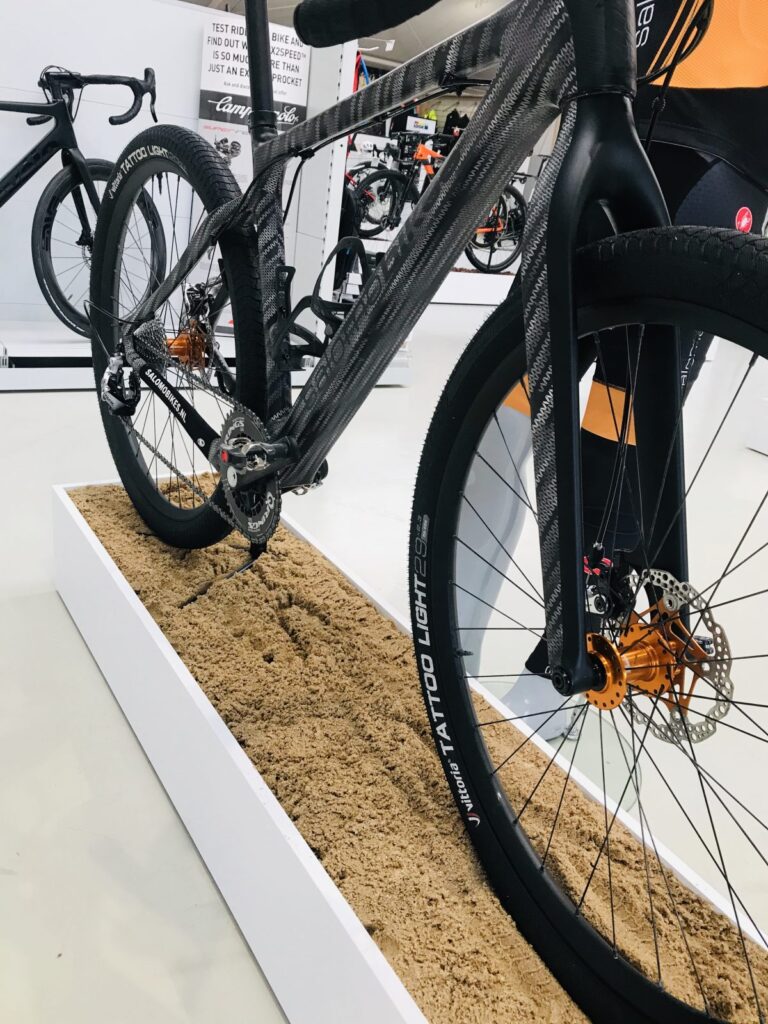
We can keep this short: both options are almost endless, and each has its strengths. Paint gives you more options for complex metallic colors. A wrap makes it easier to add most small details to the bike. With a wrap you can also put images on your bike, as the photos below show.

2: The price
Price matters. What you end up paying for your dream road bike can weigh heavily on your choice.
With both, the price depends mostly on your design: more details means more work.
With a wrap, we develop the design on a computer, so applying the film takes a lot less time afterward. With paint, the details are done by hand, which of course has its own charm.
3: Warranty when you paint your road bike?
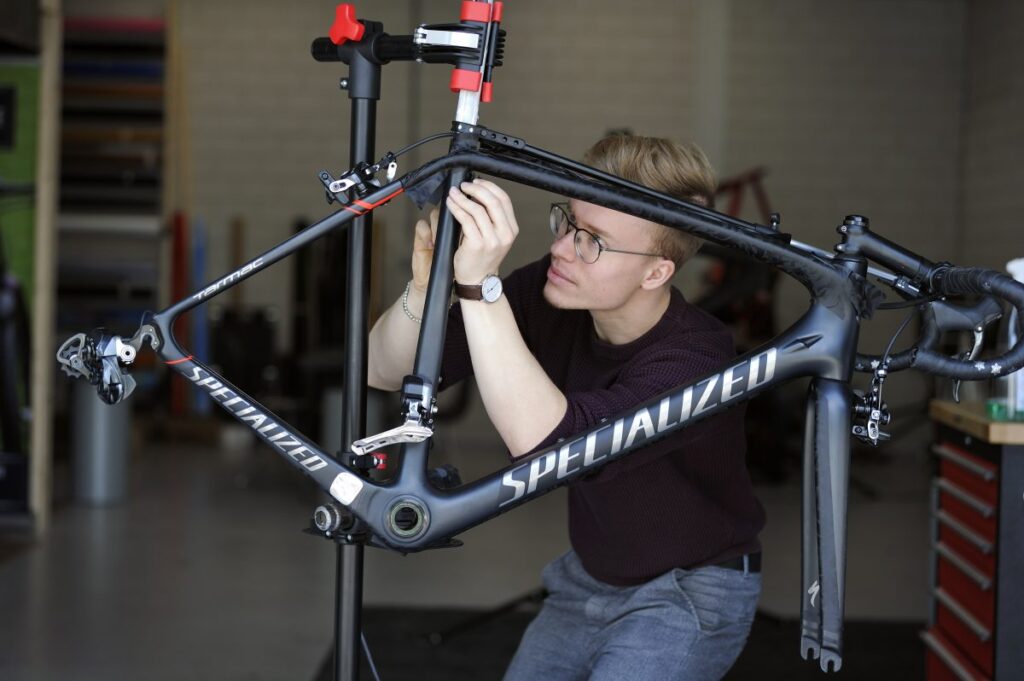
Sanding, prepping and painting the frame take a lot of steps, and manufacturers often drop their warranty if you paint your bike. A few bike brands still offer a warranty with a painter they know, like Specialized does with Color Monkey , for example. But that's the exception.
And what about a wrap? The bike isn't altered and the original stays as it is, so you keep your warranty. Good to know when the average road bike easily costs two to three thousand euros.
4: Wraps come off
This links to the warranty point. The film used for a wrap can come off again, which is handy if you sell the bike or want a new color.
Paint, on the other hand, stays on your bike for good, and of course that can be an upside too.
5: Lifespan
This follows on from the last point: what's the lifespan of the colors? And how long does a wrap last?
There's no difference in color retention between paint and a wrap. Both depend a lot on care and easily last about 5 years. They can last longer if you look after the bike with the right care products, so the colors can still look good after 10 years.
Then the second question: how long does the film last if you wrap your road bike? About as long as the colors. Depending on care, the film lasts about 7 to 12 years.
6: Seams
Here's a real difference: a wrap has seams.
Because we work with film, pieces overlap in some places. We put those seams on the least visible spots, but they're still there. They're also part of what lets the film come off. The photo below zooms in on the seams, so you can judge for yourself if they'd bother you.
7: Protection
Once you've got your dream bike, you'll want to protect it too. Here's another big difference. A wrap adds an extra layer on top of the original, so the original stays protected against stone chips and the sun.
When you paint your road bike, the new look is final. You can't get the original back. You can still protect your bike with clear film, just like you can with a wrap.
8: Weight, paint vs wrap
Many riders spend a lot on a lighter road bike. Hundreds of euros extra for new handlebars or lighter wheels raises no eyebrows. But one thing is sure when you customize your bike: it won't get lighter. A wrap adds about 100 to 150 grams. Paint adds about 250 to 400 grams.
Small differences that probably won't sway your decision, but worth a mention if you're chasing marginal gains.
To wrap up
Now it's time to start thinking about your dream bike. The design, the colors, the details: let the dreaming begin! Whether you paint or wrap your road bike, we wish you lots of luck and, above all, lots of fun with your 'new bike'. Interested in wrapping? Contact us here >>>
